
Fencing Classes & Private Lessons: Best Approach for Your Fencer
Estimated reading time: 4 minutes
As a parent, choosing the best fencing training programs for your child can feel overwhelming. Do they need group fencing classes, private fencing lessons, or a combination of both? Every fencer is unique, and understanding the benefits of each approach can help you decide what’s best for your child’s fencing journey. Consistency is crucial, especially in the early stages—regularly attending classes helps your child build solid fundamentals, while also developing discipline and commitment. Additionally, encouraging your child to participate in local tournaments can provide valuable experience, build confidence, and gradually prepare them for regional or national competitions. From my experience as a fencing parent, here’s a breakdown of each training option and tips on how to find the perfect balance for your child’s growth and enjoyment in the sport.
Benefits of Fencing Classes
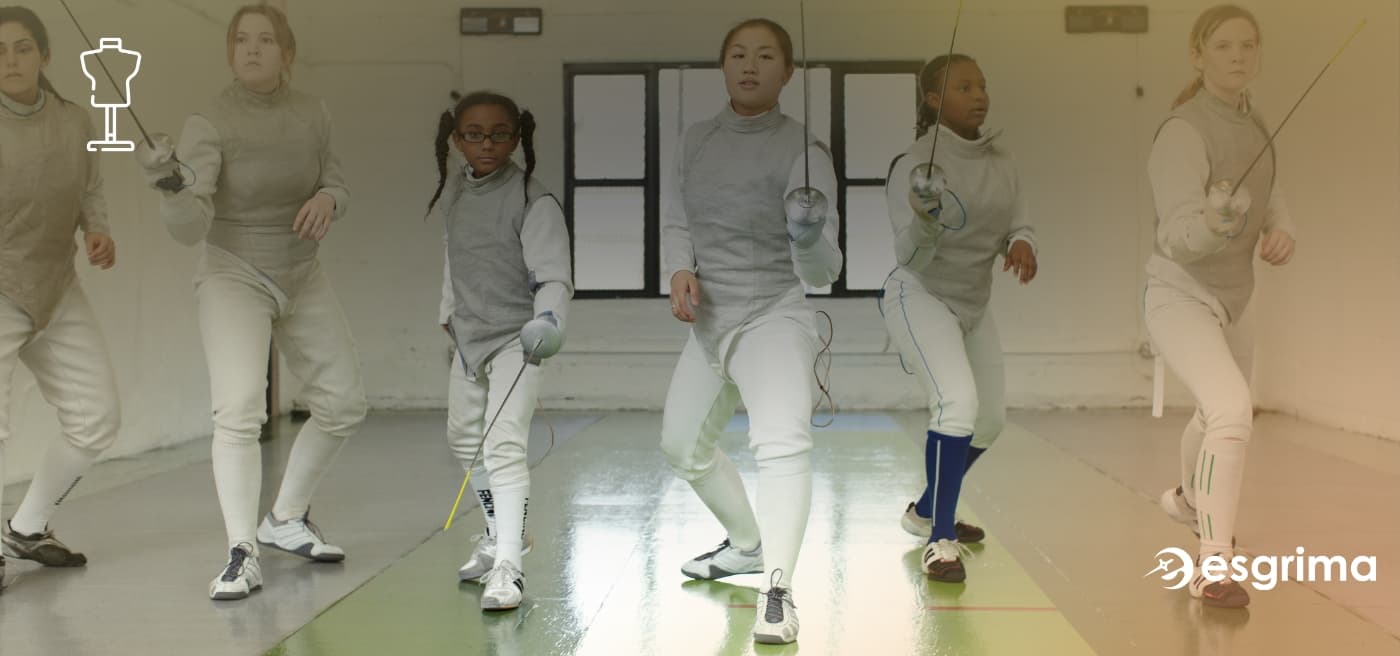
Group fencing classes are typically the first step in a young fencer’s journey. They provide a fun, engaging environment where children can learn the basics and enjoy the sport with friends. Beyond simply learning fencing techniques, these classes teach important life skills such as teamwork, discipline, and respect.
These classes specifically help young fencers:
- Develop teamwork and sportsmanship.
- Gain motivation from practicing with others.
- Learn by observing and interacting with fellow students.
When my child first started fencing, group classes were fantastic for building friendships and making fencing fun. The energy and camaraderie in classes boosted their enthusiasm for the sport.
Parent Tip: Choose a fencing club with smaller class sizes to ensure your child receives enough individual attention during group sessions.
Advantages of Fencing Private Lessons
Private fencing lessons offer a more focused and individualized approach to learning. This type of training is ideal for fencers who want to accelerate their progress, refine specific skills, or prepare for competitions. Private lessons provide direct, personalized instruction tailored precisely to your child’s strengths and weaknesses.
The benefits of one-on-one instruction include:
- Personalized feedback and quick skill corrections.
- Customized drills focusing on your child’s strengths and weaknesses.
- Faster improvement and confidence-building in their fencing skills.
I noticed a significant jump in my child’s confidence and technique after adding private lessons to their schedule. The individual attention helped them quickly fix small errors and improve faster.
Parent Tip: Consider private lessons especially if your child struggles with specific techniques or needs an extra confidence boost.
Finding the Right Balance
Many parents wonder if there’s a perfect combination of fencing classes and private lessons. From my experience, blending both training methods provides the best results, offering a well-rounded approach. Combining group sessions with private lessons can help your child enjoy fencing socially while also addressing individual challenges efficiently.
This balanced approach allows your child to:
- Build friendships and enjoy group learning.
- Receive targeted coaching to address specific skills.
- Maintain motivation through varied training experiences.
By mixing classes and private lessons, my child stayed engaged and continued to improve consistently, enjoying both the social aspects and focused skill development.
Parent Tip: Start with regular group classes and slowly introduce private lessons as your child grows more committed to the sport.
Evaluating Your Fencer’s Needs
Understanding your child’s unique personality, learning style, and fencing goals is essential when deciding on the best training approach. Each child has distinct preferences and challenges, so tailoring their fencing journey to fit their specific needs can significantly enhance their overall experience and progress.
Here are a few things to consider:
- Is your child outgoing or shy? Group classes help build social skills, while private lessons may feel safer for shy children.
- What are your child’s fencing goals? Competitive fencers often benefit more quickly from private lessons.
- How quickly does your child pick up new skills? Children needing extra practice might benefit greatly from private attention.
Parent Tip: Regularly check in with your child and their coach to determine if adjustments in their training approach are needed.
Selecting the Right Fencing Coach and Club
Choosing the right fencing coach and club can make or break your child’s fencing experience. The relationship your child develops with their coach and the environment at the fencing club significantly impact their enjoyment, motivation, and success in the sport.
Look for:
- Coaches who connect well with your child.
- Clubs offering a balanced program of classes and private lessons.
- A positive environment that encourages learning and growth.
From personal experience, finding a supportive coach who understood my child’s strengths and weaknesses made all the difference in their enjoyment and improvement in fencing.
Parent Tip: Visit multiple clubs and observe different classes and private sessions to see which environment best fits your child’s needs.
Final Thoughts on Fencing Lessons
Ultimately, the best approach to fencing training depends on your child’s individual needs and preferences. Whether it’s fencing classes, private lessons, or a combination of both, the goal is to help your child enjoy fencing and reach their full potential. By thoughtfully selecting the right mix of fencing lessons and classes, you can create a positive, rewarding fencing experience for your young athlete.